

On November 21 and 22, the SurfLens Summit brings photographers, filmmakers and content creators together in São Paulo for the second edition of the conference dedicated to surf photography and video. Lineup spoke with three speakers from this edition, Sebastian Rojas, Marianna Piccoli and Ricardo Alves, and with Marcio Rovai, who spoke at the first edition in Saquarema. They share what they'll be presenting, what they hope the audience takes back to their own work and how to make the most of the two days of the event.
Sebastian Rojas
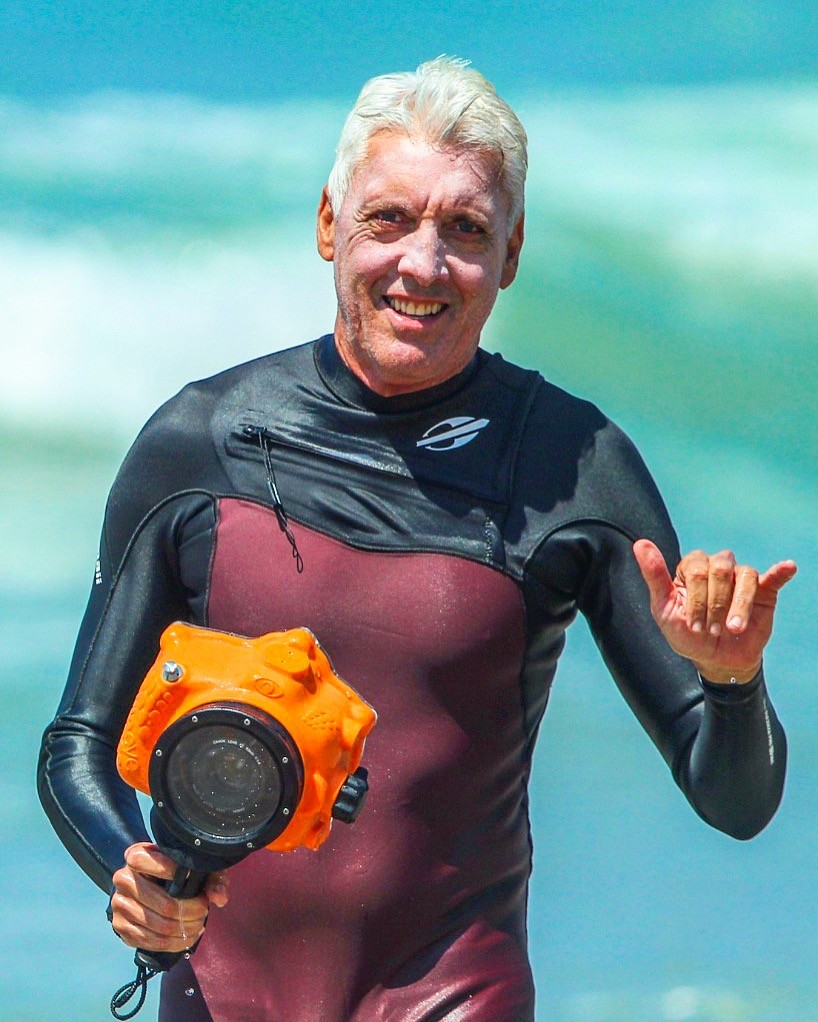
Sebastian Rojas (@sebastianrojasphoto) has been shooting surf from the water for 40 years and is considered a legend of surf photography. He was at the first edition of the SurfLens Summit, in Saquarema.
What will you present in your talk?
I'm going to talk about the future of surf photography and what AI can do, both in capturing images and in editing, in color grading software. The focus will be mostly on that area and also on photo gear. I'll bring some of my cameras and lenses, and the essentials you need to do complete work in surf photography. Basically, I'll cover those three topics.
You were at the first edition, in Saquarema. What's new that you're bringing to the Summit in São Paulo?
In Saquarema, in the seminar I gave, we talked about water photography and gear too, but we didn't yet have this more relevant topic, which is AI. So the difference today is talking a bit about the future that's coming. I think that's what sets it apart from Saquarema, where nobody touched on the subject.
The idea is to show the tools that can improve the work we've been doing for many years. Today, in photography, we definitely already rely a lot on AI to do things that used to take much longer, especially in image editing. And also to take advantage of the features that keep showing up in new cameras.
After 40 years shooting from the water, what lesson do you consider essential to pass on to people who are just starting out?
For anyone who wants to get into water photography, the essential thing is to invest in a camera with a really fast burst rate and fast autofocus, so you don't miss shots. Water photography doesn't yield as much as standing on the sand with a tripod. It's harder.
You also have to love the ocean and the challenge. Liking to swim, bodysurf, surf: all of that helps a lot. And study water photography techniques, which are all available online, and choose good lenses. A good lens, a bit more expensive, will last a long time.
Basically, it's about starting with good gear and some techniques already developed. Taking a course or workshop with professionals is also a good idea.
Marianna Piccoli
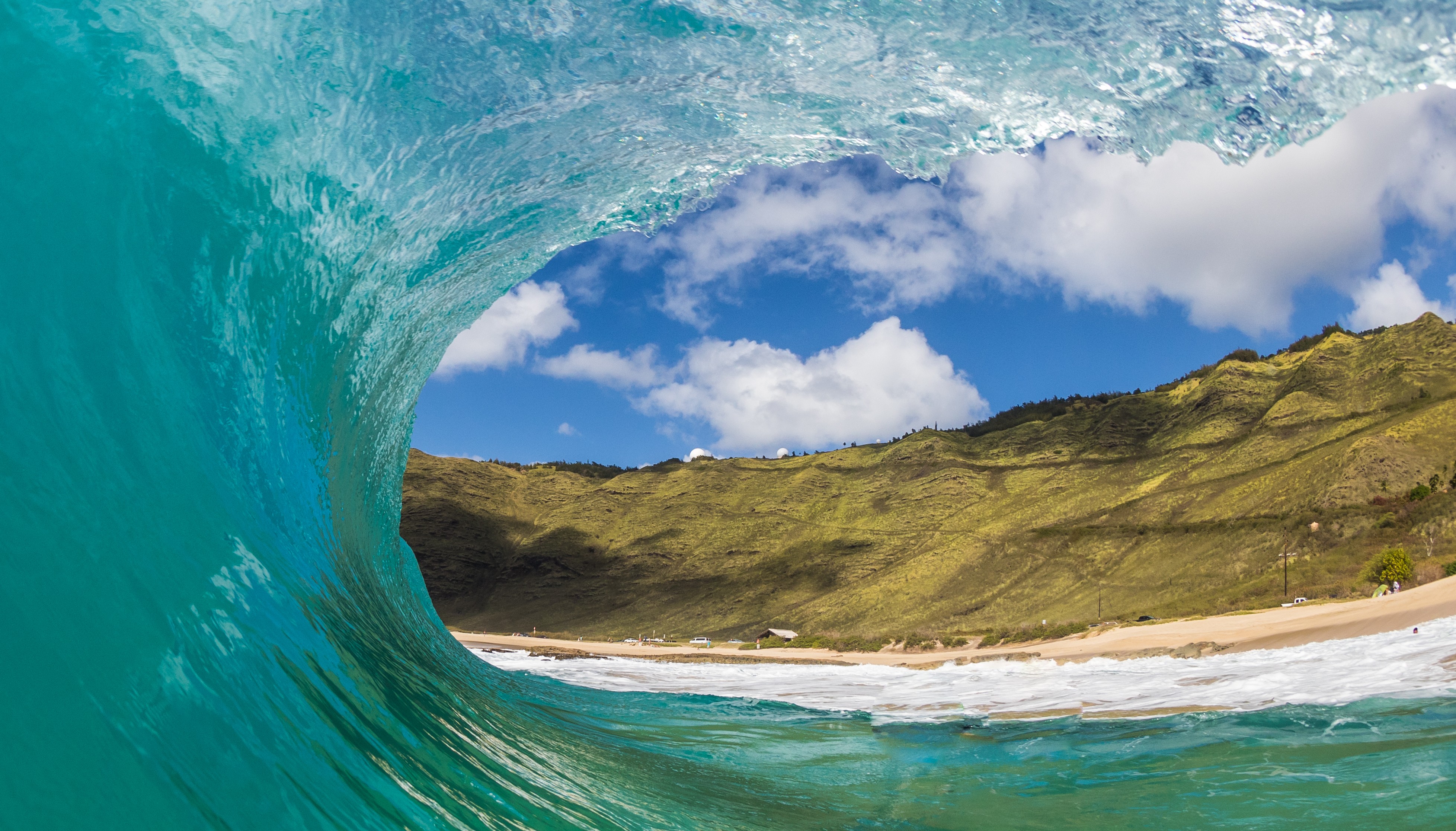
Marianna Piccoli (@mariannapiccoli) is one of the pioneers of water photography in Brazil. She created Almar, a fine art exhibition of images shot in the water in Florianópolis, and co-founded Galeria Salty with photographer Leo Neves, selling surf photography prints in Brazil and in Indonesia, where the couple lives.
What will you present in your talk, and what do you hope the audience takes back to their own work?
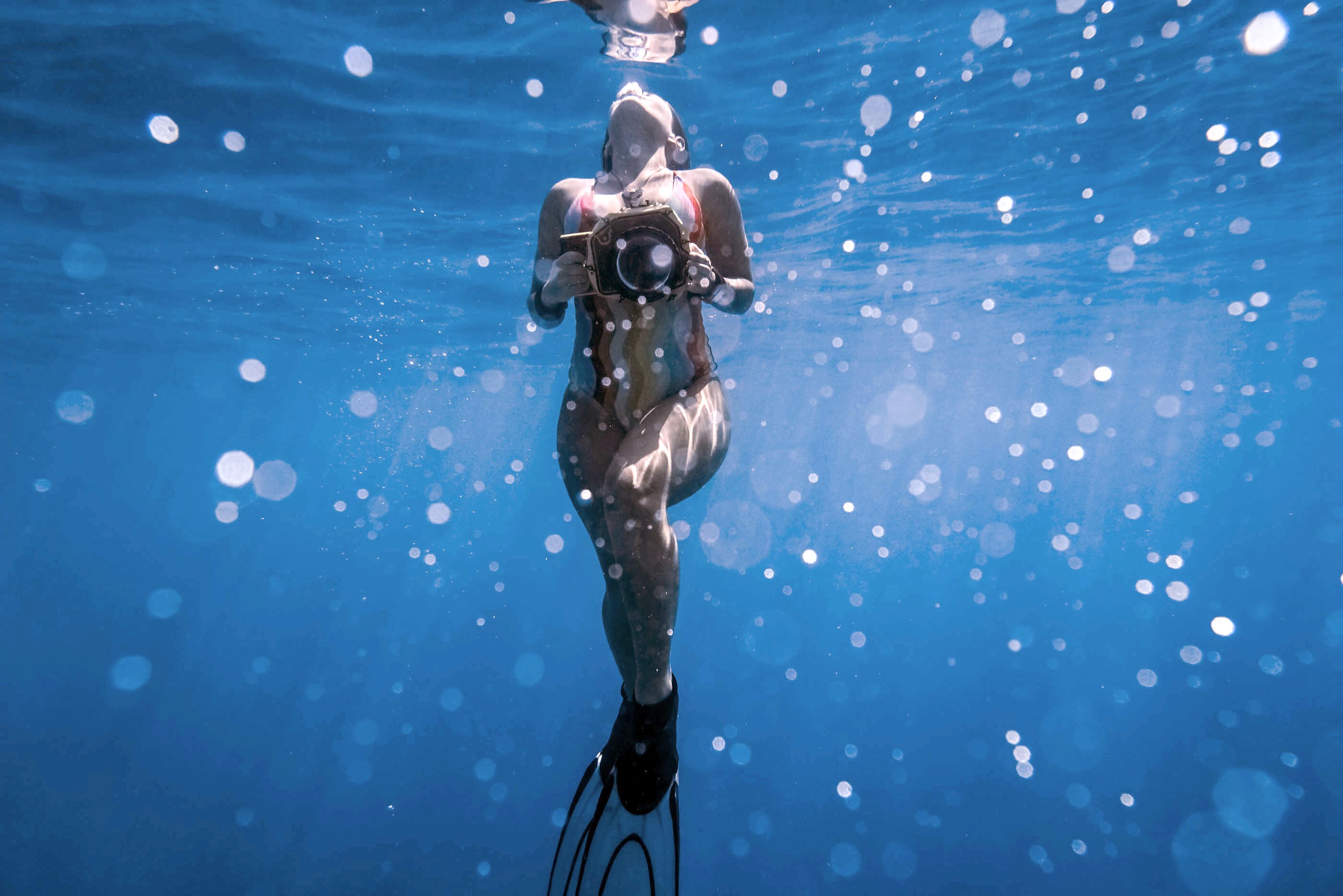
I'm going to talk about prints and galleries and share a bit of my experience with the more artistic side of surf photography. I'd already been shooting surf for a few years when, in 2012, I put together for the first time a series of images around a concept and an aesthetic I wanted to explore. That experience gave birth to Almar, my first fine art exhibition, with photos shot exclusively in the water, in Floripa.
I'll also share the stage with Léo Neves, my husband and also a photographer. Together, we'll tell the story of Galeria Salty, which we founded to bring art photography, especially surf photography, into home decor. We had a physical store at one point, and today we sell our prints through our online store, both in Brazil and in Indonesia, where we live.
Over the years, I've learned that it's worth going back to your own archive with fresh eyes. Photos that are already strong on their own can become even stronger when they're part of a collection with a shared concept and aesthetic. That's what I'd like to spark in the people who are there: the urge to open up their own archive, pick a few photos and see them printed, side by side. Sometimes it's in that encounter that you discover the beginning of a collection.
What part of your work process, which usually stays off social media, will you show at the Summit?
On social media, we usually see the finished print or the exhibition already hung, with the photos on the wall. I want to show a bit of the path to get there. With Almar, for example, before choosing the photos, I defined the concept of the exhibition. It was from there that I went back to my archive to figure out which images made sense together. Sometimes even a favorite photo gets left out because another one strengthens the whole set. That eye is also part of my process when I choose a photo to join the gallery's collection or to become a print someone will have at home.
What would you have liked to hear at a conference like this when you started shooting?
I would have liked to hear one question: “Beyond the maneuver, what catches your eye when you're out in the water?” When I started shooting surf, I'd go into sessions already with an idea of what I wanted to bring back. Over time, some choices became kind of automatic. It took me a few years to give myself room to experiment again.
I would have liked to hear, back at the beginning, that it was worth paying attention to that photo that kept drawing me in even when I still couldn't explain why. Today I see that this curiosity can be the start of a personal body of work within surfing itself.

Ricardo Alves
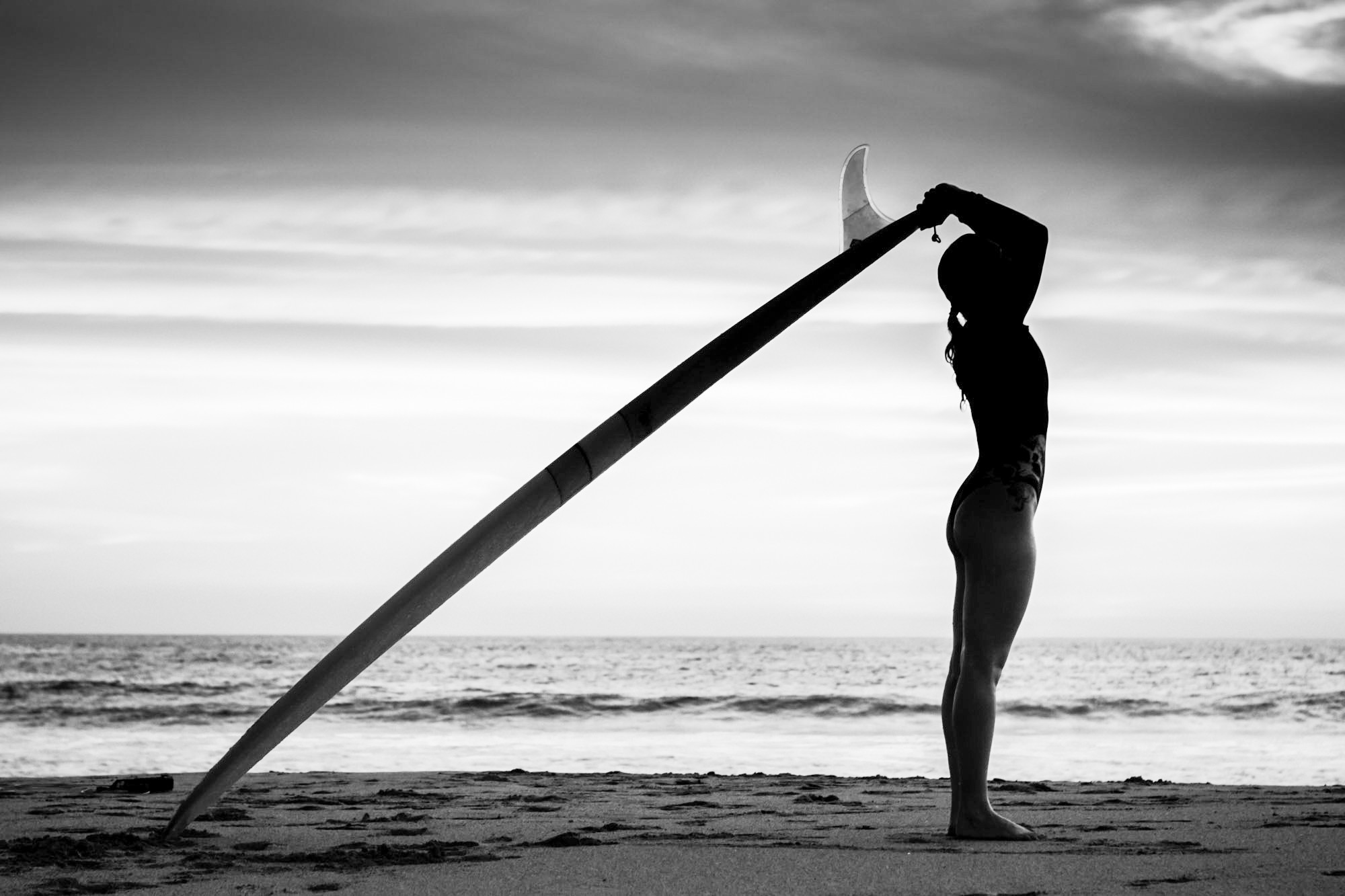
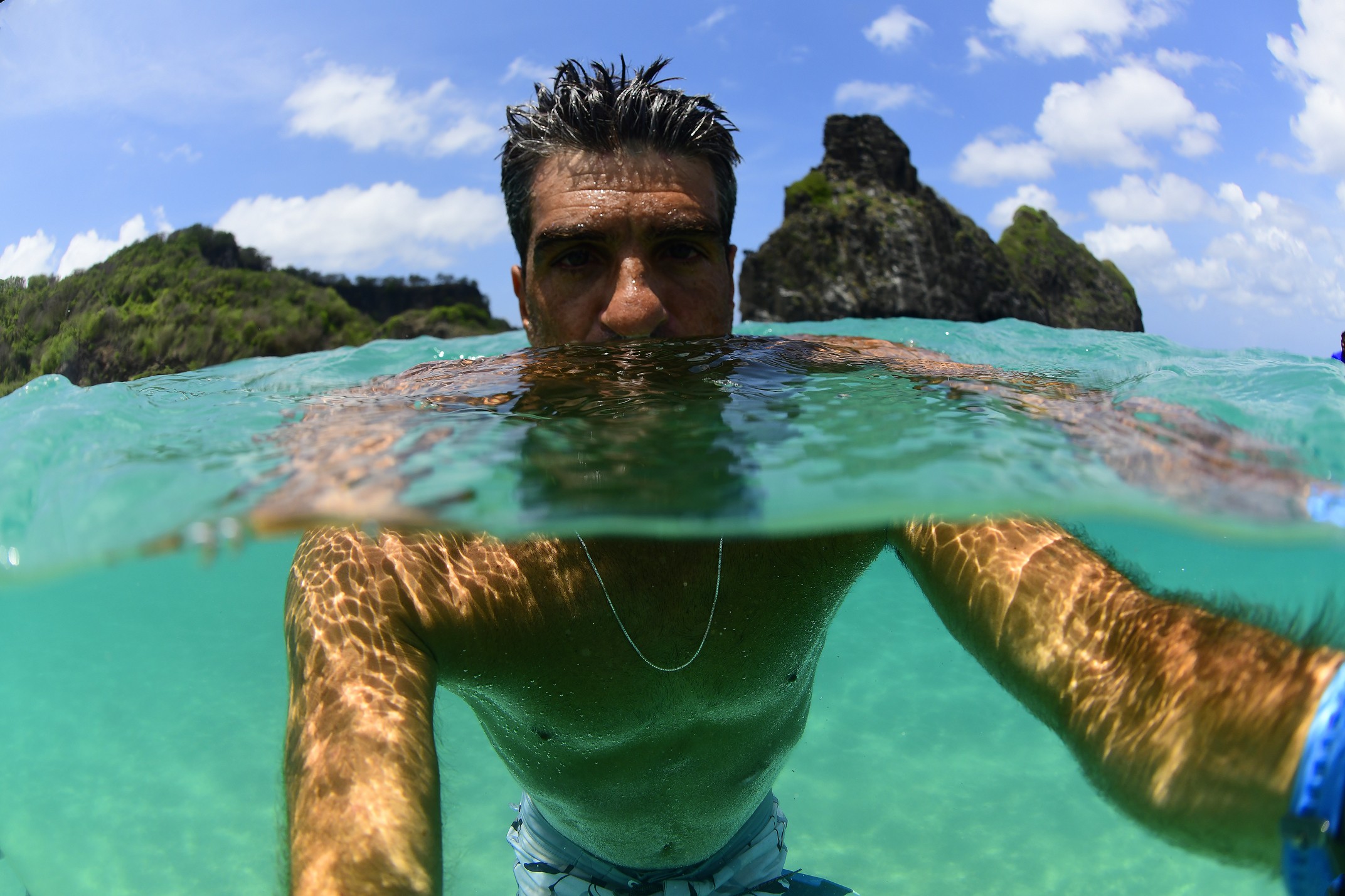
Ricardo Alves (@ricardoalvesfoto) has built a life in the ocean moving between surf action and fine art. At the Summit, he talks about surf photography beyond maneuvers and action shots.
What will you present in your talk, and what do you hope the audience takes back to their own work?
My talk is about surf photography beyond surfing. I believe surf photography goes way beyond barrels, maneuvers and action shots. As surf photographers, we have to connect people with the essence of surfing: nature, the lifestyle.
I believe our photography has to be an expression of who we are, and that we can show our essence through it in many ways: underwater shots, photos that show the surf lifestyle, compositions featuring surfers, beaches. A lot of things connect with that idea. I'd like the audience there to understand a bit of that and take it back to their own work: connecting the people who see their work to that essence, to the roots of surfing.
What's the question you get most from people starting out in surf photography, and what do you usually answer?
I don't know if one question stands out, because there are so many. They're usually more technical questions, especially from the young kids who are starting out: about gear, camera, lens, water housing and positioning in the water. There's no ready-made answer, but what I usually tell people is: be yourself. Everyone shoots in their own way, gets along better with certain gear, with a certain lens, and has their own positioning in the water.
What advice would you give someone attending SurfLens for the first time, to make the most of the two days?
Show up with an open heart, not just to listen, hear other stories and learn, but also to share your own. I'm going as a speaker, but also to learn, because we're always learning, especially from this new generation that's coming in full of new things.
Marcio Rovai
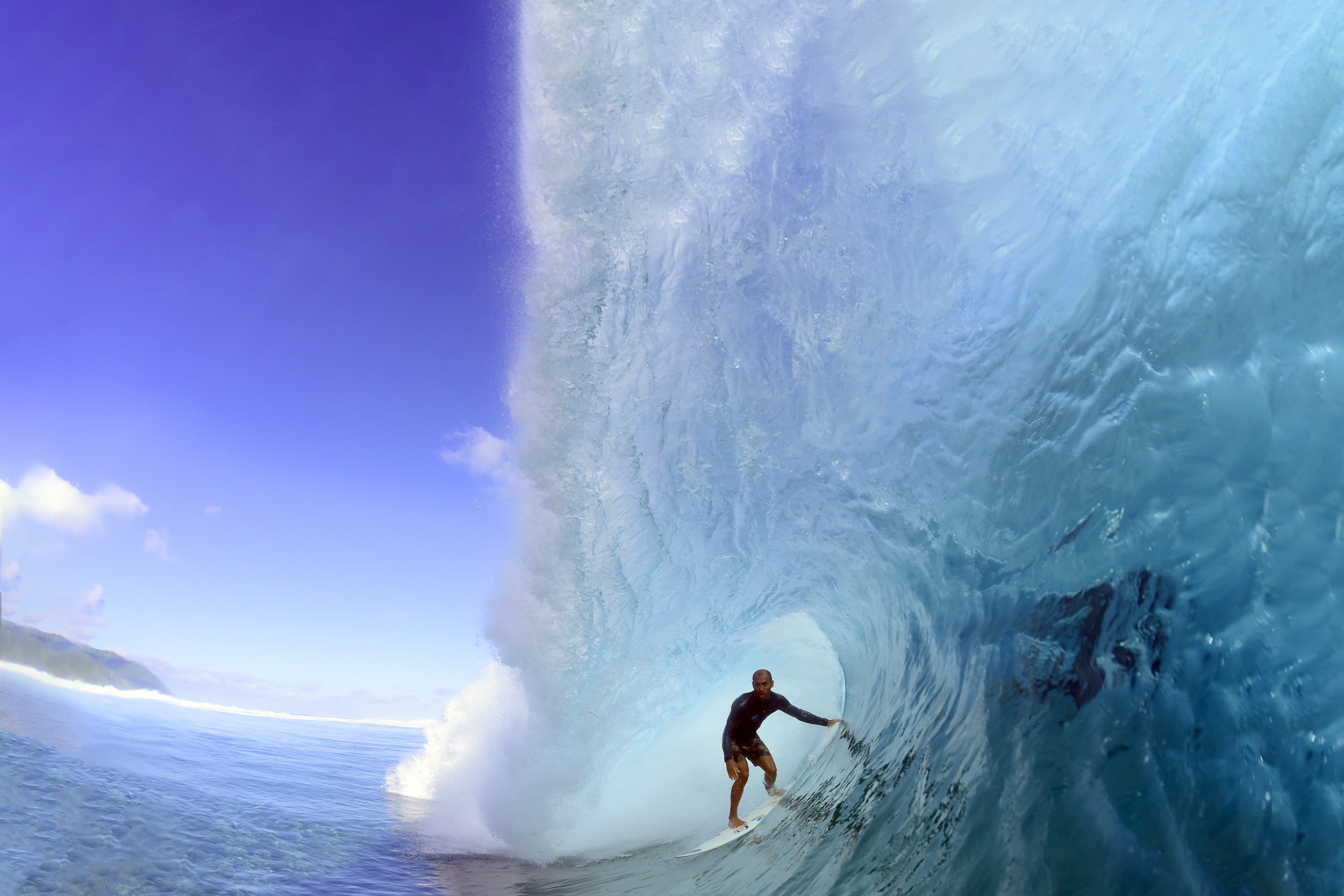
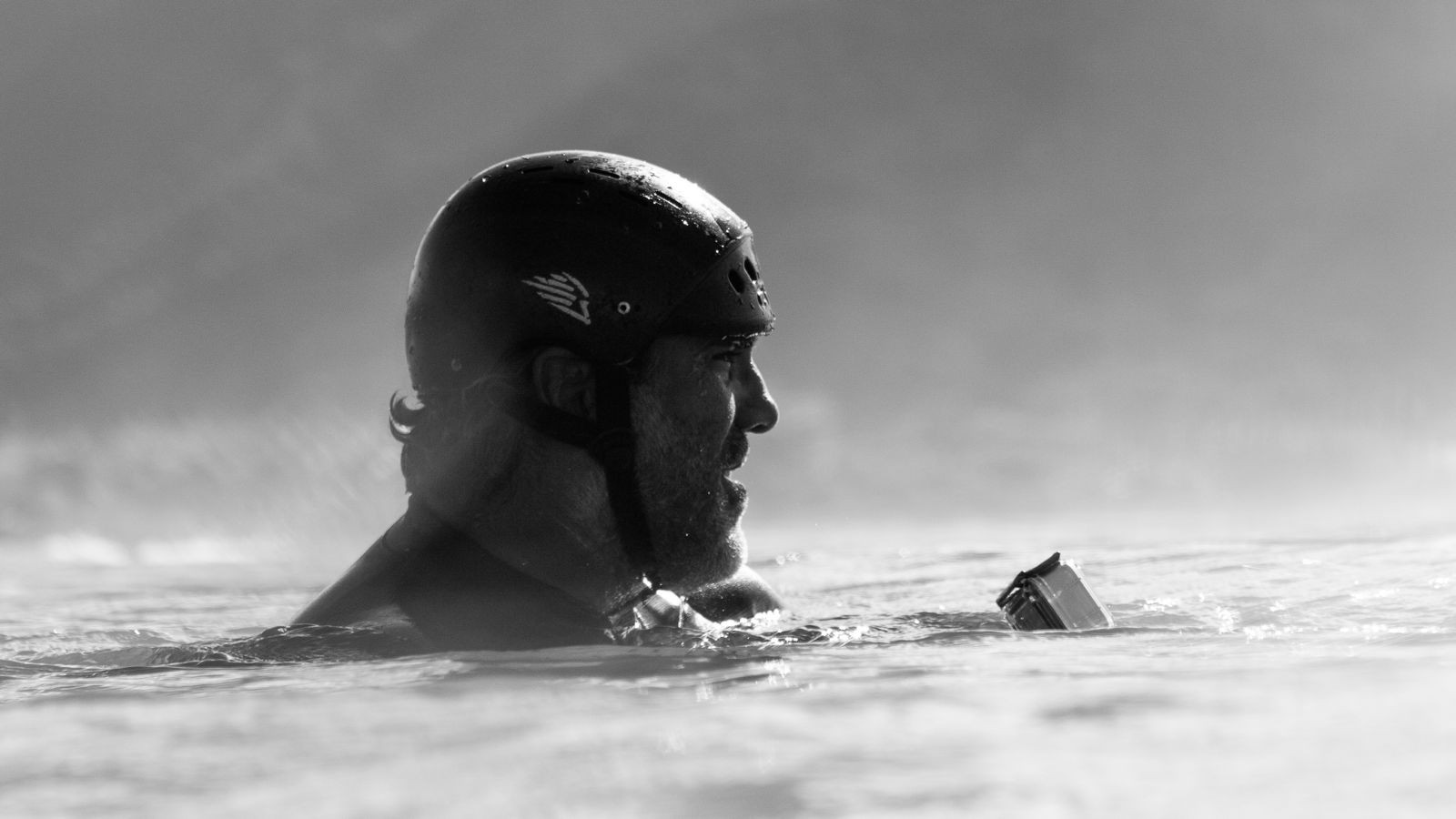
Marcio Rovai has worked in surf photography for 13 years and was one of the speakers at the first edition of the SurfLens Summit.
An attendee at the first edition said your talk opened up the “black box” of costs for people who struggle to value their own work. Why is this topic so important for surf photographers?
I believe one of the biggest challenges for people working in surf photography is understanding the real cost of the profession. People often see only the finished photo, but there's a whole investment behind it: gear, maintenance, travel, hours in the water and the entire post-production process.
In my talk, I wanted to show that producing good images isn't enough. We need to understand our work as a business. Valuing photography starts when photographers themselves understand how much it costs to produce it.
How does WavesNow (now Lineup) fit into your routine when deciding when and where to shoot?
In surf photography, planning is essential. Following the surf forecast, wind direction and ocean conditions is part of my routine.
Being able to see conditions in real time, as WavesNow (now Lineup) offers, is an important tool for making better decisions. Being able to check different breaks before leaving home helps optimize time and increases the chances of finding good conditions to shoot.
Having experienced the first edition, what would you recommend to people attending this year's Summit?
My main recommendation is to make the most of the exchange of experiences. I still believe we always have something new to learn, and being close to professionals with different backgrounds and perspectives is extremely enriching.
Tickets at 20% off
The SurfLens Summit 2026 takes place on Saturday, November 21, and Sunday, November 22, at BlackFrame Estúdios, in Lapa, São Paulo. Tickets are sold through Sympla, with limited spots, and Lineup users get 20% off with the code LINEUP.
Get your ticket with the code LINEUP
To learn more about the schedule, topics and partnerships of the conference, read Lineup's first article about the SurfLens Summit.